
Restoration Services in Dixon, CA
Water, fire and smoke, mold, storm, sewage, and rebuild work for Dixon property owners. Trusted since 2005.
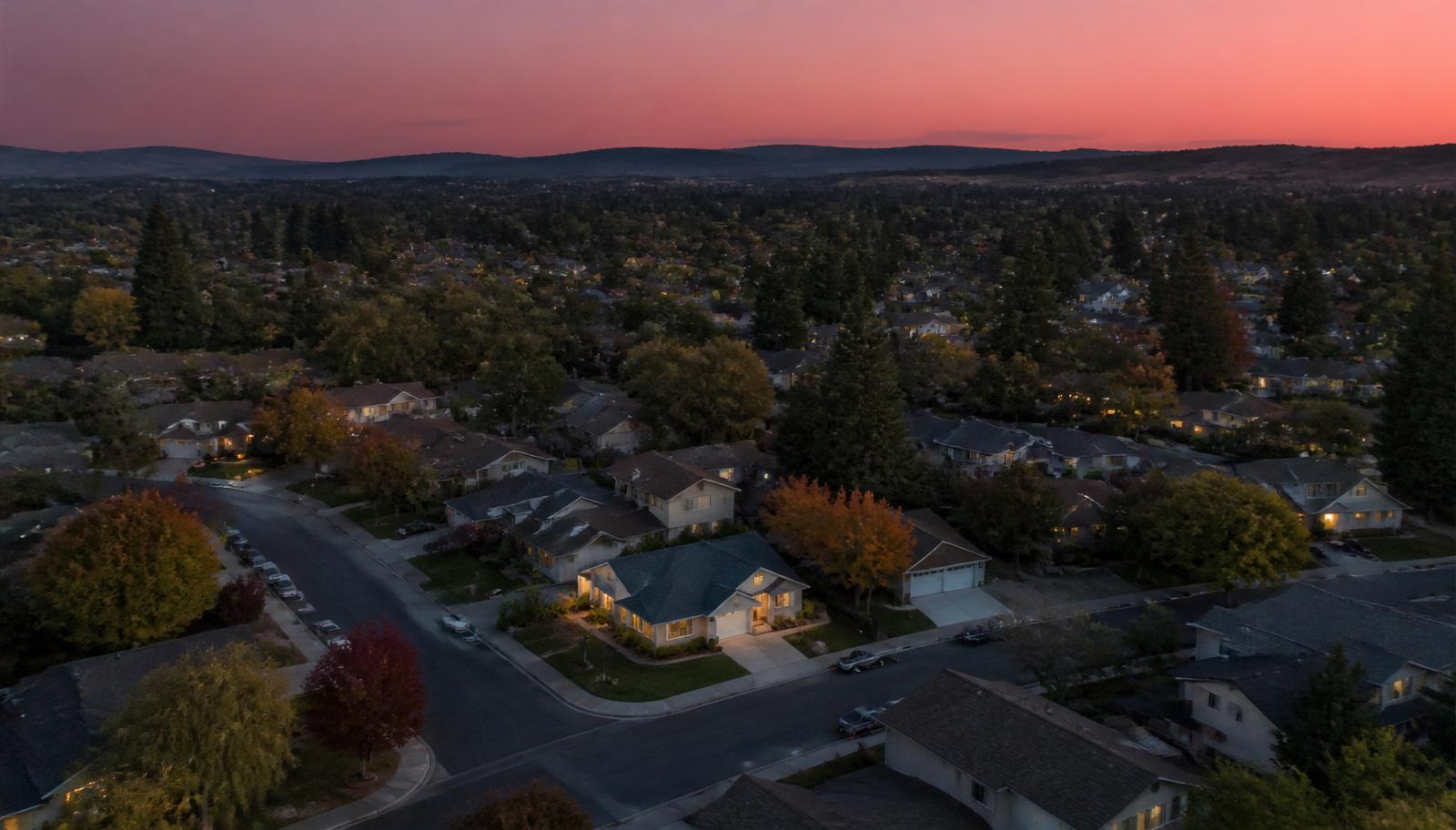
Dixon sits northeast of Vacaville on the flat agricultural plain between Solano and Yolo counties. It is a smaller community with an agricultural foundation, a historic downtown, and a growing residential base, and its restoration profile reflects the combination of flat terrain, hot dry summers, and a mix of very old and very new buildings.
Finishing Touch HS serves Dixon from our Fairfield base. Agricultural and rural properties here often involve outbuildings, wells, and septic systems, and we scope those in from the start rather than treating them as an afterthought.
Geography and conditions in Dixon
Dixon sits on flat valley floor with minimal grade, surrounded by irrigated agricultural land. Drainage relies on engineered systems rather than topography, and when those systems are overwhelmed water stands rather than running off.
The area is fully inland, with hot dry summers regularly exceeding one hundred degrees and cold, tule-fog winters. That fog is a distinctive local condition, producing prolonged periods of very high humidity at ground level during winter months.
Ulatis Creek and the surrounding agricultural drainage network carry runoff through the area, and during intense rain those channels are the constraint.
Local building stock
Historic downtown Dixon includes early housing with raised foundations, original wood construction, and long modification histories.
Post-1990 residential subdivisions make up a large share of the current housing stock, built to modern standards with conventional tract construction.
Rural parcels outside town include farmhouses of varying age, barns, shops, equipment buildings, and agricultural structures, along with wells and septic systems.
Risk profile for Dixon
Interior supply line and appliance failures dominate in the subdivisions. On rural parcels, irrigation systems, well equipment, and long supply runs add failure points, and because outbuildings are not occupied daily a failure can run for a long time before discovery. Flat terrain means storm water stands, and standing water against a slab edge or a garage threshold for several days produces intrusion that better-drained ground would never see.
Dixon has significant seasonal grass and agricultural fire exposure. Dry grain fields, stubble, and equipment operation during harvest produce fire starts, and flat open terrain with wind allows rapid spread. Structure fires in the older downtown stock carry legacy electrical risk. Agricultural buildings introduce their own hazards, including stored fuel, equipment, and hay.
Tule fog gives Dixon a distinctive winter mold dynamic. Extended periods of near-saturated air at ground level slow drying dramatically, so a winter water event here does not resolve on its own the way a summer event might. Crawlspaces in older properties and unheated outbuildings are the common problem areas, along with bathrooms lacking working ventilation.
Flat terrain and wind exposure make roof edge, fencing, and outbuilding damage the primary wind concerns. Rain-driven problems come from standing water and overwhelmed drainage rather than from runoff. Agricultural structures with large roof spans and light framing are particularly susceptible to wind loading.
In town, older laterals in the downtown area carry root intrusion risk. Outside town, septic systems dominate, and the flat ground with a seasonally high water table produces saturated leach fields in wet winters. Septic failures on rural parcels are a recurring category and are frequently discovered by odor and surface saturation rather than by an indoor backup.
Commercial property in the area
Dixon's commercial base is agricultural processing and support, distribution and warehousing along the Interstate 80 corridor, retail and services along the main corridors, and the historic downtown business district. Agricultural facilities have seasonal timing that determines when work can happen, and warehouse and distribution operations prioritize returning floor area to service.
Response and access
Dixon is a straightforward run from Fairfield up Interstate 80. On rural properties we scope the whole parcel, including outbuildings, wells, and septic components, because the source of a problem is frequently not in the building where it was noticed.
- Historic downtown Dixon
- Surrounding agricultural land and rural parcels
- Interstate 80 distribution and warehouse corridor
- Ulatis Creek and agricultural drainage network
Services we provide in Dixon
Nearby towns we serve
Answers to common questions
Restoration help in Dixon
We perform the work ourselves, we document it for your carrier, and we tell you plainly what does and does not need to be done. Trusted since 2005.