
Restoration Services in Travis AFB, CA
Water, fire and smoke, mold, storm, sewage, and rebuild work for Travis AFB property owners. Trusted since 2005.
Travis Air Force Base sits east of Fairfield and Suisun City, and the surrounding community has been shaped by it for more than seventy years. The base area and the neighborhoods that serve it have a housing stock, a population turnover pattern, and a set of restoration considerations that are genuinely different from the rest of the county.
Finishing Touch HS serves the Travis area with the same crews that cover Fairfield. Rapid, well-documented work matters here more than most places, because military households frequently operate on relocation timelines that do not flex.
Geography and conditions in Travis AFB
The Travis area sits on flat, low-lying ground on the eastern edge of the Suisun Marsh influence, exposed to open terrain in nearly every direction. Wind across this flat ground is persistent and unobstructed.
Drainage is a defining feature of flat, low ground. Water does not run off quickly, it stands, and during sustained winter rain the ponding on flat parcels finds its way into garages, crawlspaces, and slab edges.
Summer heat here runs warmer than the marsh-adjacent cities and cooler than inland Vacaville, with the Delta influence still present most afternoons.
Local building stock
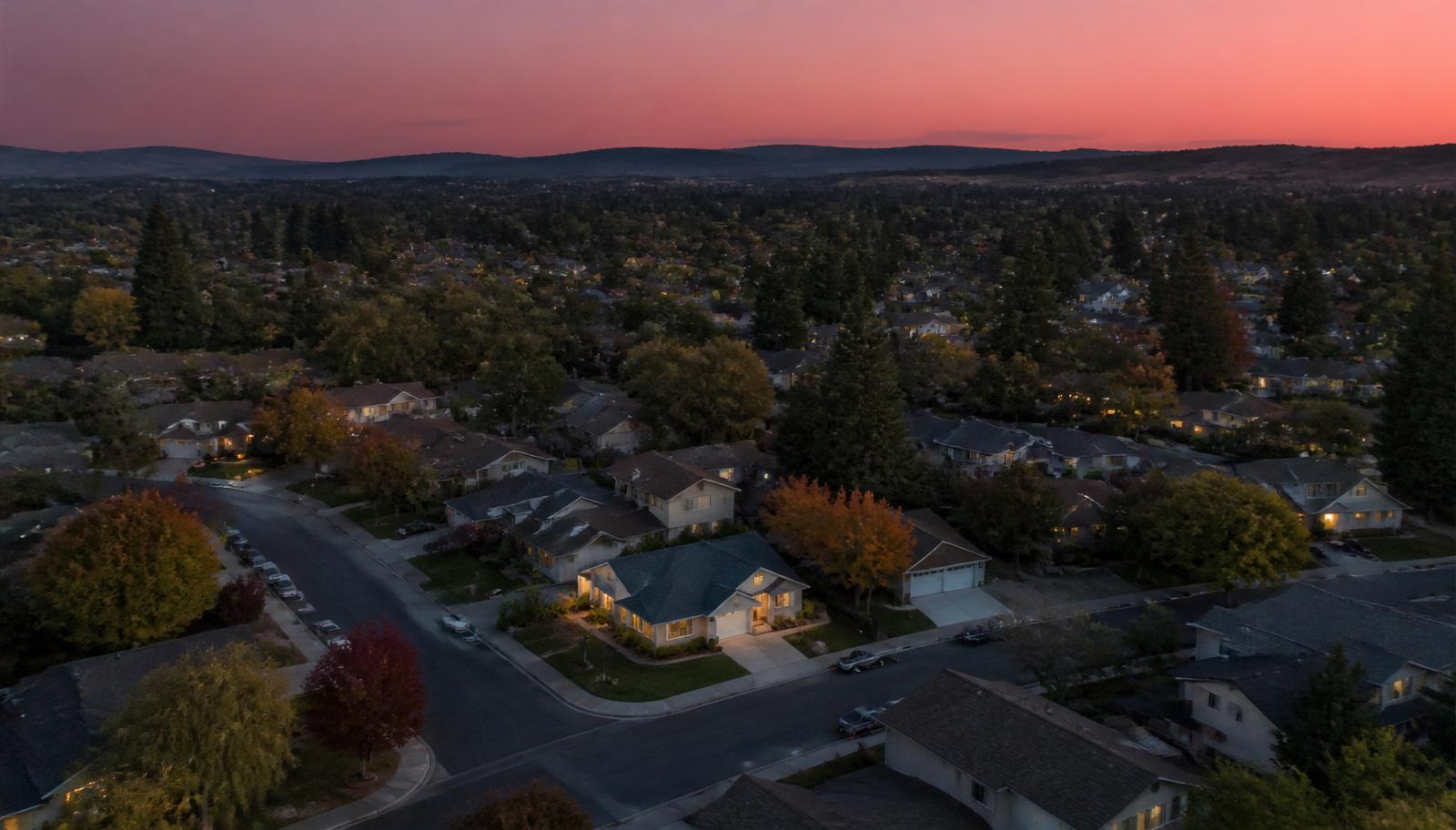
Housing in the surrounding neighborhoods is heavily weighted toward mid-century construction built during base expansion, much of it slab-on-grade with original or first-generation replacement plumbing and dated electrical service.
There is a high proportion of rental property in the area, which changes the restoration dynamic. Losses often involve a tenant, a property manager, and an owner who may be out of state, so documentation and communication have to be clear enough to work across all three.
Newer subdivisions on the Fairfield and Vacaville sides of the area follow standard tract construction patterns with two-story layouts and upstairs wet rooms.
Risk profile for Travis AFB
The mid-century housing stock drives the profile here. Aging supply lines, original angle stops, water heaters past their service life, and slab-embedded copper are all common, and slab leaks are a recurring finding. Flat-ground drainage produces the external component, with standing water during heavy rain finding garage thresholds and slab edges. In rental properties, small leaks often go unreported until they become large ones, which is the single biggest driver of loss severity in this area.
Structure fires follow the usual kitchen and electrical distribution, with the aging electrical systems in the mid-century stock a meaningful contributor. Open grassland surrounding the area creates seasonal grass fire exposure, driven by the persistent wind across flat terrain. Regional wildfire smoke reaches this area as it does the rest of the county.
Slab leaks that ran undetected are the most common mold source in Travis-area homes, saturating subfloor, wall base, and cabinetry over months. Bathrooms without functioning ventilation in the older stock are second. In rental properties, delayed reporting means we often arrive at a mold situation rather than at the water event that caused it, and the remediation scope reflects that delay.
Wind exposure across open flat ground is high and constant, and roof edges, fencing, and detached structures take the brunt of it. Rain-driven problems are dominated by poor drainage and standing water rather than by runoff, since there is very little slope to move water away. Trees in these neighborhoods are often mature and planted in shallow soil, so wind and saturated ground produce tree failures.
Older laterals in the mid-century neighborhoods carry root intrusion and joint separation risk, and flat grades mean less fall in the line, which makes blockages more likely to accumulate. Heavy rain infiltration adds seasonal pressure to the collection system.
Commercial property in the area
The commercial base around Travis includes service businesses, retail, storage, hospitality serving base traffic, and light industrial uses. Property management companies handling residential portfolios are a significant client category here, and they need documentation formatted for owners who are not local and often not present.
Response and access
The Travis area is a short run from our Fairfield base. We are accustomed to coordinating between tenants, property managers, and remote owners, and to producing documentation that holds up when the decision maker never sees the property in person.
- Travis Air Force Base
- Surrounding mid-century base-era housing neighborhoods
- Open grassland and flat drainage terrain
- Air Base Parkway commercial corridor
Services we provide in Travis AFB
Nearby towns we serve
Answers to common questions
Restoration help in Travis AFB
We perform the work ourselves, we document it for your carrier, and we tell you plainly what does and does not need to be done. Trusted since 2005.