
Restoration Services in Vacaville, CA
Water, fire and smoke, mold, storm, sewage, and rebuild work for Vacaville property owners. Trusted since 2005.
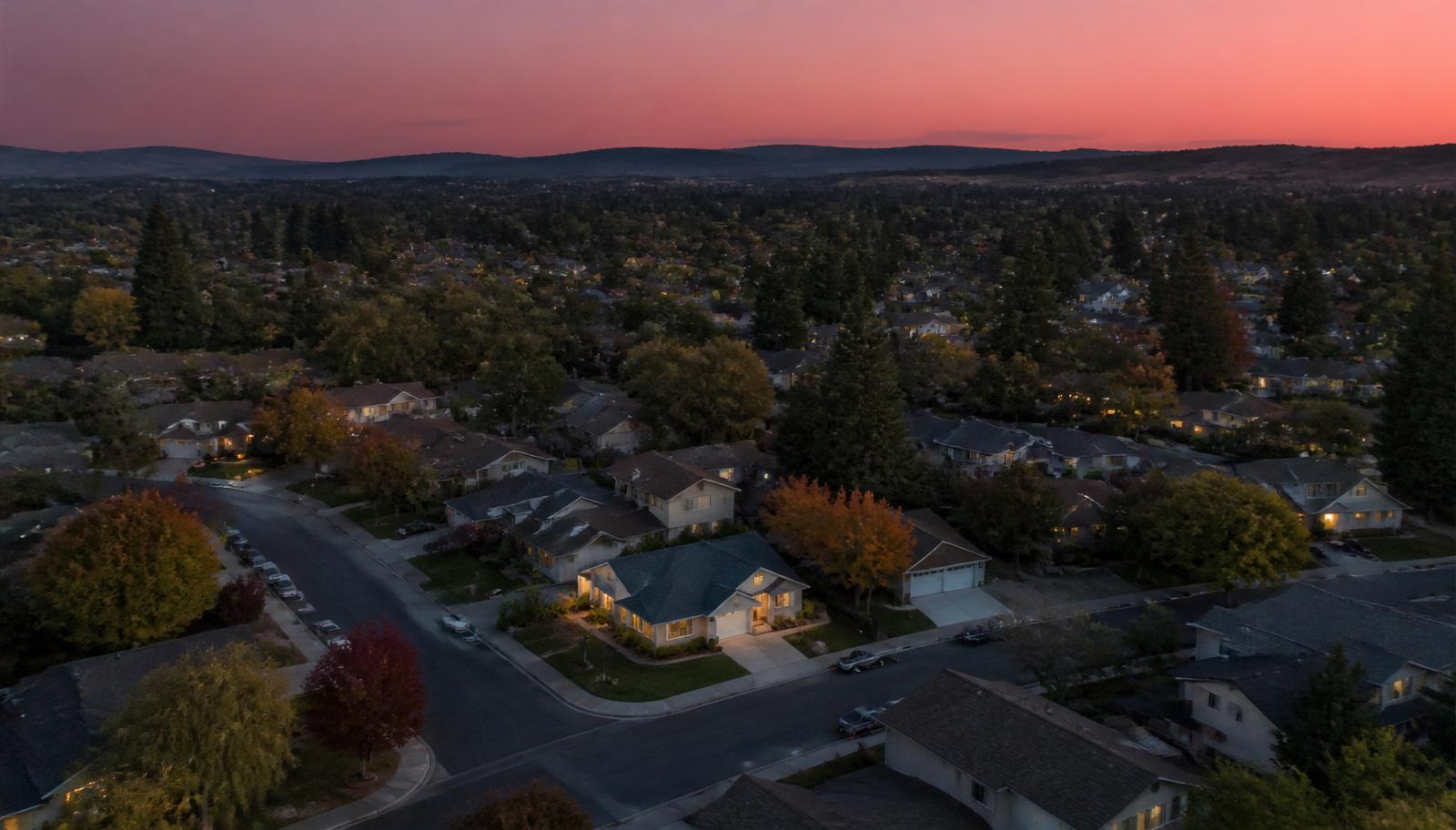
Vacaville sits northeast of Fairfield along Interstate 80, tucked against the eastern slope of the Vaca Mountains. It is the largest city we serve outside Fairfield, and its restoration profile is shaped by two things that make it distinct, significant wildland interface on the western and northern edges and a hot, dry summer climate that runs several degrees above the marsh-influenced cities to the south.
Finishing Touch HS covers Vacaville with the same direct-provider crews that work Fairfield. The drive is short, and we know the difference between a Browns Valley hillside property and a flat east-side tract home well enough to arrive with the right expectations.
Geography and conditions in Vacaville
Vacaville occupies the transition between the Vaca Mountains and the flat agricultural plain running east toward Dixon. Alamo Creek and Ulatis Creek drain through the city, and both are the focus of storm-season attention because they carry runoff from the hills directly through developed areas.
The city sits far enough inland to lose most of the Delta breeze moderation that Fairfield and Suisun City get, which means hotter summers, lower ambient humidity, and a different indoor moisture dynamic. Buildings here run drier, which reduces baseline mold pressure and increases the significance of any single moisture event, because occupants are less likely to suspect a problem.
The western and northern edges of the city meet undeveloped grassland and oak woodland, which is the wildland urban interface that defines the local fire exposure.
Local building stock
Vacaville expanded significantly from the 1970s onward, and much of the housing stock is tract construction from the 1970s through the 2000s, with a large volume of two-story homes containing upstairs bathrooms and laundry rooms.
Browns Valley and the hillside neighborhoods on the west side include larger custom and semi-custom homes on sloped lots, where drainage, retaining, and hillside runoff management are ongoing considerations and where wildfire exposure is highest.
Older central Vacaville near the historic downtown includes early and mid-century homes with raised foundations, original plumbing, and the maintenance profile that comes with that age.
Risk profile for Vacaville
Appliance and supply line failures dominate, particularly in two-story tract homes where an upstairs laundry failure becomes a two-floor loss. Hillside properties on the west side see runoff-driven intrusion during heavy rain, where water sheeting off a slope finds its way into garages, crawlspaces, and lower-level rooms. The hot dry summers also drive a category people rarely anticipate, irrigation and exterior plumbing failures that soak against a foundation for weeks before anyone notices, because in a dry climate the surface evidence disappears quickly.
Vacaville has the most significant wildfire exposure of the Solano County cities we serve. Grassland and oak woodland at the western and northern edges dry out completely by early summer, and wind-driven grass fire moves fast. Beyond direct fire risk, the smoke exposure profile is heavy, and structures across the city, not just at the interface, take smoke intrusion during regional fire events. Post-event work here regularly involves duct decontamination and odor treatment on homes with no structural fire damage at all.
Low ambient humidity means chronic mold conditions are less common in Vacaville than in the marsh-adjacent cities, but that same dryness means moisture events go unnoticed longer. The mold we find here is typically well-established growth from a slow leak or a hillside runoff intrusion that persisted for months in a crawlspace or wall cavity. Bathrooms with poor ventilation and slab leaks in the older stock account for most of the rest.
Storm exposure is concentrated in runoff rather than in wind. Water coming off the Vaca Mountains during intense rain overloads creek capacity and local drainage, and hillside properties experience sheet flow that ordinary site drainage was never sized for. Wind damage occurs but is generally less severe than in the Delta-influenced cities to the south. Post-fire burn scars in the surrounding hills significantly increase runoff and debris flow in the following wet season, which is a real seasonal concern here.
Sewage backups in Vacaville concentrate in the older central neighborhoods with mature street trees and aging laterals. Newer tract areas see fewer main line issues and more fixture-level and ejector pump failures. Root intrusion is the single most common cause we encounter locally.
Commercial property in the area
Vacaville has a substantial commercial and industrial base, including the biotechnology and life science campuses on the east side, the Vacaville Premium Outlets and associated retail, distribution and logistics facilities along the Interstate 80 corridor, and a healthcare cluster. Life science and healthcare facilities carry the strictest contamination and documentation requirements, and retail and distribution operations prioritize square footage returned to service.
Response and access
Vacaville is a short run up Interstate 80 from our Fairfield base. We plan hillside work around access and drainage conditions, and during fire season we expect smoke-related scopes across the whole city rather than only at the interface.
- Vacaville Premium Outlets and Interstate 80 retail corridor
- Browns Valley and the western hillside neighborhoods
- Alamo Creek and Ulatis Creek drainage
- East-side biotechnology and life science campuses
Services we provide in Vacaville
Nearby towns we serve
Answers to common questions
Restoration help in Vacaville
We perform the work ourselves, we document it for your carrier, and we tell you plainly what does and does not need to be done. Trusted since 2005.