
Restoration Services in St. Helena, CA
Water, fire and smoke, mold, storm, sewage, and rebuild work for St. Helena property owners. Trusted since 2005.
St. Helena sits in the upper Napa Valley between Yountville and Calistoga, and it has the most substantial stock of genuinely historic stone and masonry buildings in the valley. Its downtown is a preserved nineteenth century main street, and its surrounding land is dense with wineries, many of them operating in original stone structures more than a century old.
That building stock is the defining consideration. Finishing Touch HS approaches St. Helena work expecting historic materials, masonry assemblies, and preservation requirements that change both the mitigation approach and the reconstruction scope.
Geography and conditions in St. Helena
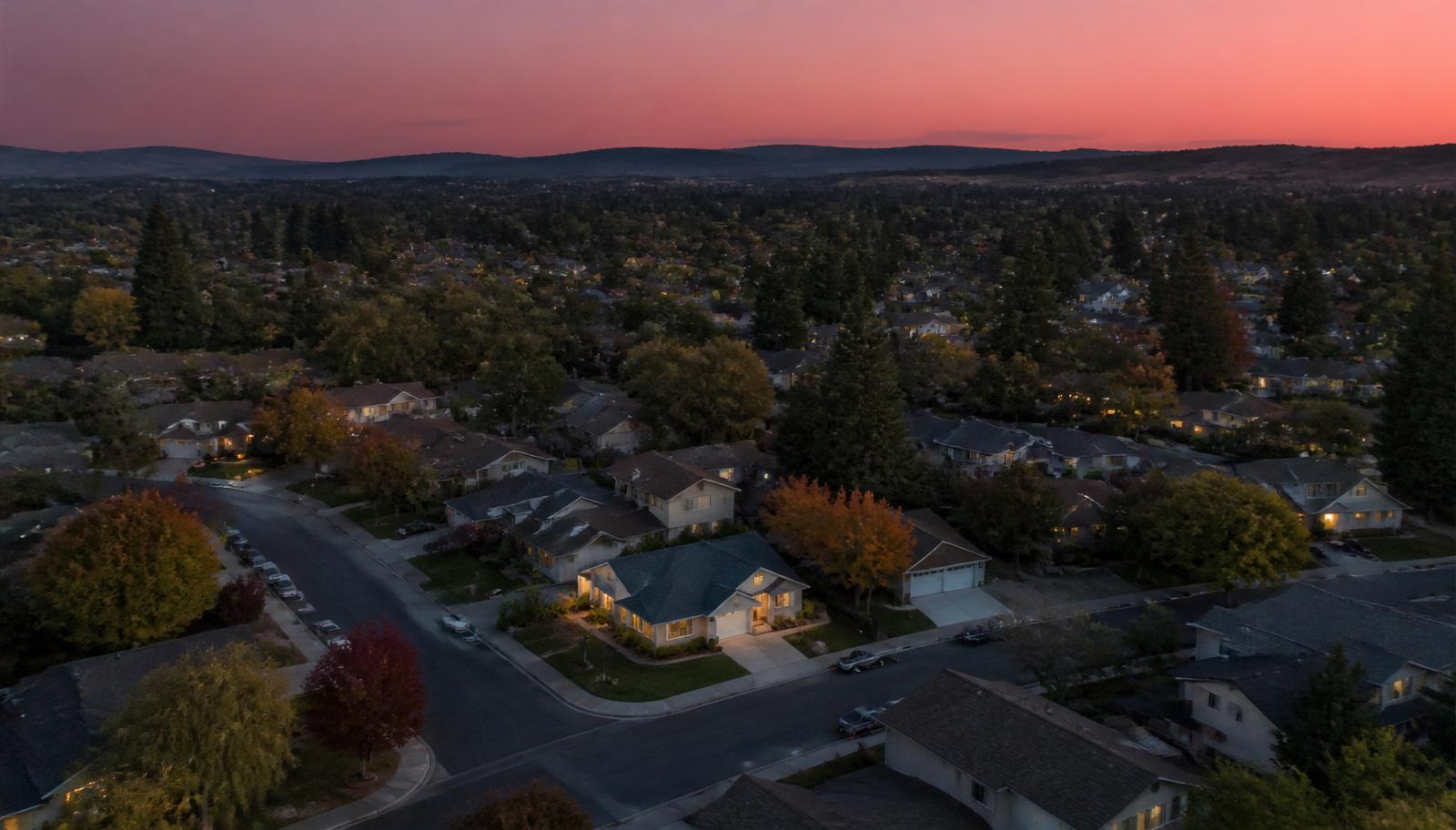
St. Helena occupies the valley floor in the upper valley, with the Mayacamas Mountains to the west and the Vaca Range to the east, both rising steeply close to town.
Marine moderation is weaker this far up the valley, producing hot summers and cool wet winters with substantial runoff from the surrounding mountains.
The Napa River runs through the area, and creeks descending from both valley walls carry significant volume during winter storms.
Local building stock
The downtown and surrounding residential district include a large stock of nineteenth and early twentieth century buildings, including stone and masonry structures that behave very differently from wood frame construction when wet.
Residential neighborhoods include historic homes with raised foundations and plaster interiors, alongside newer and renovated properties.
Hillside and rural properties include estate homes, winery residences, agricultural structures, and outbuildings on parcels with private access, wells, and septic systems.
Risk profile for St. Helena
Historic masonry is the distinguishing factor. Stone and masonry assemblies absorb and hold water in ways wood frame does not, they dry far more slowly, and aggressive drying can damage historic mortar and finishes. Getting this right requires patience and monitoring rather than maximum equipment. Winery facilities add process water, tank and hose failures, refrigeration condensate, and barrel room humidity control issues. Hillside properties see runoff intrusion from steep terrain.
The upper valley carries high wildfire exposure with steep vegetated terrain on both sides and a documented history of major fires in the surrounding mountains. Smoke exposure is prolonged. For wineries, smoke is an operational catastrophe well beyond building damage, and building decontamination, duct cleaning, and odor control become urgent priorities. Historic downtown buildings with legacy electrical carry structure fire risk, and their density means adjacent-property smoke exposure is a real concern.
Masonry and stone hold moisture, and historic buildings frequently lack the ventilation and vapor management that modern assemblies have. Barrel rooms and cellars are designed for humidity and require deliberate management to stay on the right side of the line. Crawlspaces in historic residential buildings contribute the balance. Growth in these buildings is often long established before discovery because the affected assemblies are not visible.
Heavy winter rain on steep surrounding terrain produces significant runoff, creek flow, and debris movement, and post-fire burn scars in the surrounding mountains increase that risk substantially in the seasons following a fire. Wind funnels through the upper valley, and mature trees on saturated ground fail. Historic roofing on older buildings is a recurring vulnerability.
The historic downtown carries aging infrastructure with root intrusion and joint separation risks. Restaurants contribute grease-related blockages. Rural and winery properties rely on septic systems, where seasonal saturation and process discharge volume are the operative concerns.
Commercial property in the area
St. Helena's economy is wine production, hospitality, fine dining, and the historic downtown retail district. Winery properties combine production facilities, barrel storage, tasting rooms, and event spaces, each with different environmental requirements and different tolerance for disruption. Harvest season is an absolute constraint, and work that can wait until after crush usually should.
Response and access
St. Helena is among the more distant parts of our service area, so we scope thoroughly on the first visit and mobilize with the anticipated equipment. On historic and masonry buildings we dry patiently and monitor closely rather than applying maximum equipment, because the wrong approach damages materials that cannot be replaced.
- Historic Main Street downtown
- Nineteenth century stone winery buildings
- Napa River and hillside creek drainage
- Surrounding Mayacamas and Vaca Range wildland
Services we provide in St. Helena
Nearby towns we serve
Answers to common questions
Restoration help in St. Helena
We perform the work ourselves, we document it for your carrier, and we tell you plainly what does and does not need to be done. Trusted since 2005.