Restoration Services in Napa, CA
Water, fire and smoke, mold, storm, sewage, and rebuild work for Napa property owners. Trusted since 2005.
Napa is the largest city in Napa County and the commercial center of the valley. It combines a historic downtown, older residential neighborhoods along the Napa River, extensive newer development, and a hospitality and wine industry economy that shapes what property owners need from a restoration contractor.
Finishing Touch HS serves Napa from our Fairfield base, a short run over the hills through Green Valley or up from American Canyon. We work here as a direct provider, which matters particularly in hospitality and wine industry properties where scheduling, discretion, and finish quality are part of the job rather than extras.
Geography and conditions in Napa
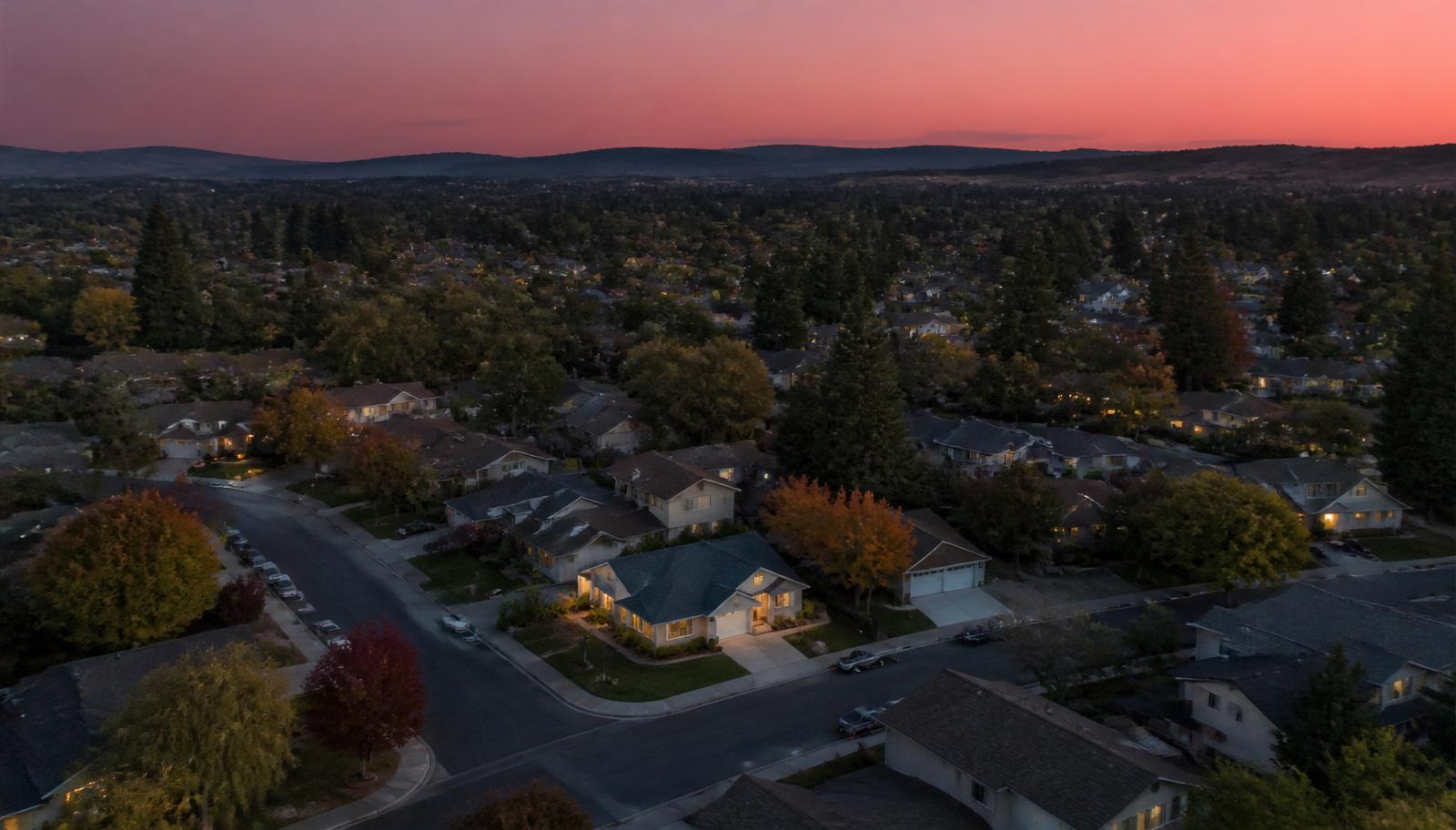
Napa sits on the valley floor along the Napa River, with hills rising on both the eastern and western sides. The river runs through the city, and flood history along it is a documented and defining part of local property risk.
Marine air pushes up the valley from San Pablo Bay, producing cool mornings and moderating summer heat, with the moderating effect diminishing as you move north up the valley.
Substantial flood control work has changed the river's behavior through the city, but river-adjacent and low-lying parcels retain elevated water risk during major rain events.
Local building stock
Older neighborhoods near downtown include Victorian and early twentieth century homes with raised foundations, plaster interiors, and period detailing, plus a large mid-century stock through the central city.
Newer subdivisions on the north and east sides are conventional modern tract and semi-custom construction.
Hillside properties on both valley walls include larger custom homes with complex roofs, extensive glazing, and site drainage systems that require maintenance.
Risk profile for Napa
Napa carries three water risk layers. River and flood-related exposure affects low-lying and river-adjacent parcels during major storm events. Older housing stock brings aging plumbing, plaster assemblies that hold moisture, and crawlspaces. Modern properties bring standard supply line and appliance failures, with hillside homes adding runoff intrusion. Wine industry and hospitality properties add commercial-scale water risks including process water, refrigeration condensate, and sprinkler systems.
Napa County's wildfire history is significant and recent, and it shapes how property owners here think about fire. Beyond direct structure loss, the dominant restoration reality is smoke. Regional wildfire events push heavy smoke into the city for extended periods, requiring duct decontamination, contents cleaning, and odor treatment on properties never touched by flame. Structure fires in the older downtown-adjacent housing carry legacy electrical risk, and hospitality and commercial kitchens add protein-residue fire exposure.
The valley floor's cool humid mornings and older raised-foundation housing stock produce crawlspace and wall base moisture problems in the historic neighborhoods. Plaster holds moisture longer than drywall, extending the risk window after any water event. Hospitality properties add a specific category, since guest bathrooms with heavy use and marginal ventilation are among the most reliable mold producers in any commercial building type.
Winter storms bring the river and low-ground flood exposure that defines Napa's storm profile, along with hillside runoff on both valley walls. Wind is less extreme than in the Delta-influenced cities but still significant on exposed hillside parcels, and mature trees throughout the older neighborhoods fail in saturated soil.
Older neighborhoods have aging laterals with root intrusion from mature street trees. Rain infiltration during heavy storms raises system pressure. Hospitality and food service properties carry elevated grease-related blockage risk, which is the leading commercial sewage cause we see in this market.
Commercial property in the area
Napa's commercial base is dominated by hospitality, food service, wine production and tasting facilities, retail in the downtown and Oxbow districts, healthcare, and professional services. Hospitality and wine industry properties operate on seasonal calendars where downtime during peak season is enormously costly, and where finish quality and discretion during occupied work are non-negotiable. We phase and schedule accordingly.
Response and access
Napa is a short drive from our Fairfield base. We plan for older assemblies in the historic neighborhoods, for occupied-property protocols in hospitality work, and for smoke-related scopes across the whole city during and after regional fire events.
- Downtown Napa and the Oxbow district
- Napa River corridor and flood control improvements
- Wine production and tasting facilities throughout the city
- Eastern and western hillside neighborhoods
Services we provide in Napa
Nearby towns we serve
Answers to common questions
Restoration help in Napa
We perform the work ourselves, we document it for your carrier, and we tell you plainly what does and does not need to be done. Trusted since 2005.