
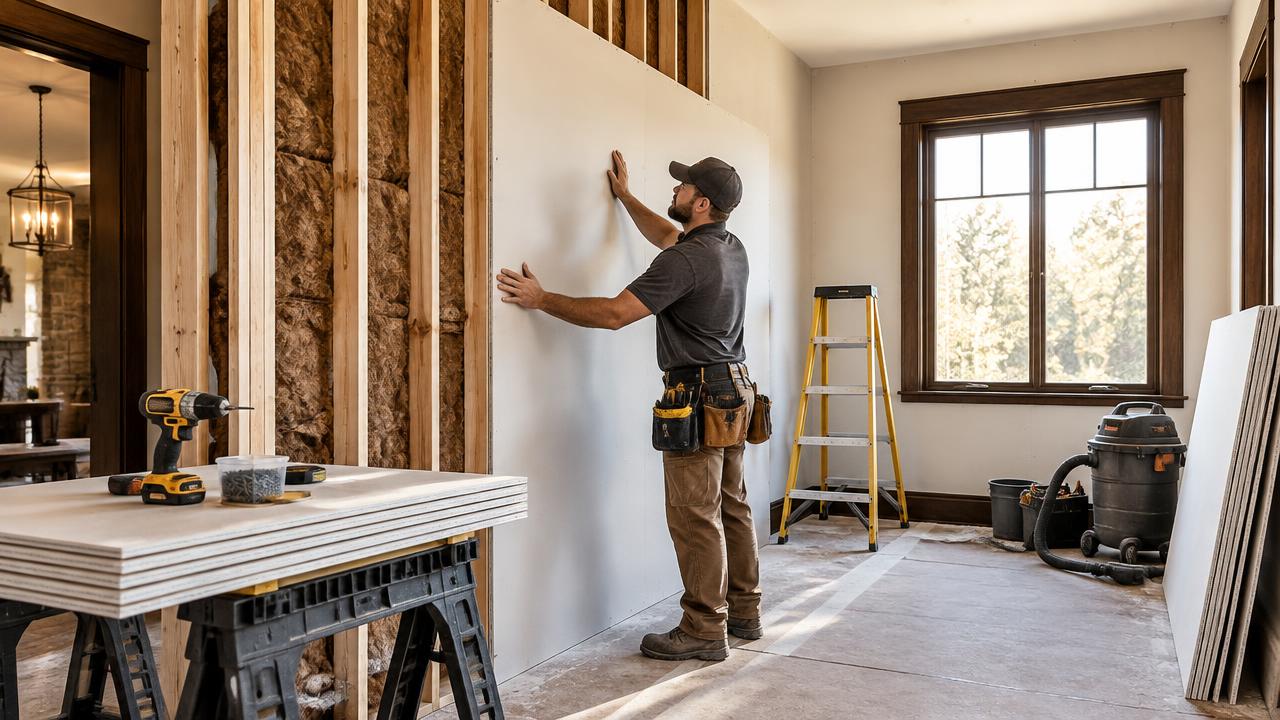
Reconstruction and Rebuild Services in Calistoga, CA
Full rebuild from framing through finishes, by the same team that mitigated. Performed directly by our own crews for Calistoga homes and businesses.
Reconstruction and Rebuild Services in Calistoga is shaped by conditions that do not apply evenly across Napa County. Winter storms bring heavy rainfall onto steep surrounding terrain, producing significant runoff, debris flow potential, and road access issues. Post-fire burn scars in the surrounding mountains dramatically increase runoff and debris flow risk in subsequent wet seasons, which is an ongoing reality here. Wind funnels through the narrow valley, and tree fall on saturated slopes is common.
The building stock matters as much as the weather. The historic downtown and surrounding residential district include late nineteenth and early twentieth century buildings with original wood construction, raised foundations, and period materials. That construction profile changes what we expect to find once an assembly is opened, and it changes the sequence of the work rather than just the paperwork on it.
Calistoga occupies the narrow upper end of the Napa Valley, enclosed by the Mayacamas Mountains to the west and the Vaca Range to the east, with Mount Saint Helena at the head of the valley. For reconstruction & rebuild specifically, that geography determines both how a loss develops and how quickly a building recovers once mitigation begins.
Calistoga is the most distant part of our service area, so we plan mobilization with the full anticipated scope in mind rather than making repeat trips for equipment. For hospitality properties we phase work to keep rooms and public areas in service wherever the scope allows.
Calistoga's economy is hospitality, spa and resort operations, wineries and tasting rooms, and the downtown retail and restaurant district. These properties operate on seasonal revenue cycles where losing rooms or a tasting room during peak season is severe. Work has to be phased, discreet, and finished to a standard the guest experience depends on.
Why Calistoga properties see this loss
Calistoga occupies the narrow upper end of the Napa Valley, enclosed by the Mayacamas Mountains to the west and the Vaca Range to the east, with Mount Saint Helena at the head of the valley.
The valley narrows here, which means marine moderation from San Pablo Bay is weakest and summer temperatures are the highest in the valley. Winters are cool with substantial rainfall running off the surrounding mountains.
Geothermal activity is a genuine local feature, producing hot springs and elevated ground moisture and heat in certain areas, which affects building assemblies in ways that do not occur elsewhere in our territory.
Water losses generate the largest volume of restoration reconstruction, because drying almost always requires removing finish materials, and those materials have to be replaced with matching work.
Fire losses require the deepest reconstruction, frequently including framing repair, complete finish replacement, and sealing work that has to be done in the correct order to prevent odor recurrence.
Storm and impact events drive envelope-focused rebuilds, where roof, sheathing, siding, window, and exterior trim work has to be completed before interior finishes can be closed up.
What the work involves
Reconstruction after a loss covers everything from structural framing repair through the final finish. Depending on the scope that can include sheathing and framing replacement, subfloor repair, insulation, drywall and texture, interior and exterior paint, trim and finish carpentry, doors and windows, cabinetry and countertops, flooring of every type, tile and surround work, and exterior repairs including siding, soffit, fascia, and roofing coordination.
It also covers the parts owners rarely think about until they are in the middle of a project, such as matching existing textures and finishes in a partially affected room, sourcing discontinued flooring, handling permits where structural or system work triggers them, and sequencing trades so work is not done twice.
The scope is written from the documented condition of the building. Because we performed the mitigation, the scope reflects what was actually removed and what was actually found behind the walls, rather than an estimate assembled from photographs after the fact.
Warning signs
- A mitigation company that finished drying and handed you a list of contractors
- A rebuild estimate that does not match what was physically removed
- Repairs scheduled before moisture verification was completed
- Texture and paint that visibly differ from the surrounding original work
- Trim, doors, or flooring transitions left unfinished between scopes
- No one able to tell you what condition the framing was in when it was opened
If nobody involved in your rebuild saw the building while it was open, the scope is being reconstructed from guesswork. That is where change orders come from, and it is the specific failure mode that keeping mitigation and reconstruction under one roof eliminates.
Our process in Calistoga
- Step 1Scope development
We write the rebuild scope from documented conditions, including photographs and moisture records from the mitigation phase, and review it with you line by line so you know what is included before work begins.
- Step 2Permitting and approvals
Where structural, electrical, plumbing, or mechanical work requires permits, we handle the process and build the review timeline into the schedule rather than discovering it mid-project.
- Step 3Structural and rough work
Framing repair, sheathing, subfloor, and any required system rough-in happen first, with inspections scheduled where applicable.
- Step 4Insulation and drywall
Insulation is replaced to the correct value, drywall is hung and finished, and texture is matched to the existing surrounding work, which is a craft step rather than a material selection.
- Step 5Finishes and millwork
Paint, trim, doors, cabinetry, countertops, and hardware are installed. Where materials are discontinued, we present options rather than making the decision for you.
- Step 6Flooring
Flooring goes in near the end to avoid damage from other trades, with attention to transitions and to matching existing runs where only part of a space was affected.
- Step 7Final walkthrough
We walk the completed work with you, build a punch list, and close it out. The job is finished when you say it is, not when the last trade leaves.
Residential and commercial
For homes, we phase work to keep as much of the house usable as possible, protect unaffected areas from construction dust and traffic, and work to a schedule that accounts for occupancy or temporary housing timelines.
For commercial properties, we phase construction so tenants and operations continue where possible, schedule disruptive work outside business hours, and coordinate with property management, tenants, and any required inspections. Tenant improvement standards and building requirements are built into the scope from the start.
Calistoga's economy is hospitality, spa and resort operations, wineries and tasting rooms, and the downtown retail and restaurant district. These properties operate on seasonal revenue cycles where losing rooms or a tasting room during peak season is severe. Work has to be phased, discreet, and finished to a standard the guest experience depends on.
Local building stock and what it changes
The historic downtown and surrounding residential district include late nineteenth and early twentieth century buildings with original wood construction, raised foundations, and period materials.
Resort and spa properties represent a significant share of the built environment, with guest accommodations, treatment facilities, pools, and extensive plumbing systems.
Hillside and rural properties on the valley walls include custom homes, wineries, and agricultural structures on parcels with well and septic systems and private access roads.
Timeline and response
Small rebuilds such as a single room after a water loss are typically one to three weeks. Multi-room and multi-system rebuilds run one to three months. Major fire reconstruction and anything involving structural permits runs longer, driven by review timelines and material lead times. We give you a schedule with milestones and update it when reality moves it.
Calistoga is the most distant part of our service area, so we plan mobilization with the full anticipated scope in mind rather than making repeat trips for equipment. For hospitality properties we phase work to keep rooms and public areas in service wherever the scope allows.
Insurance and documentation
Reconstruction is usually the largest line item in a property claim. Because we performed the mitigation, our rebuild scope ties directly to documented conditions, which reduces disputes about what was necessary. We provide itemized scopes, communicate with your adjuster at your request, and are clear about what falls inside the claim and what is an upgrade you are choosing to make.
What affects cost
- Square footage affected and number of rooms and systems involved
- Whether structural framing repair and permitting are required
- Finish level being restored and availability of matching materials
- Cabinetry, countertop, and specialty millwork requirements
- Flooring type and whether partial or full-run replacement is needed
- Phasing requirements in occupied residential or commercial space
Preventing a repeat
- Keep records of paint colors, flooring products, and finish materials for future matching
- Photograph finished spaces periodically so pre-loss condition is documented
- Address small repairs before they become part of a larger loss scope
- Use one company for mitigation and rebuild to eliminate the scope gap
- Confirm moisture verification is complete before any rebuild work starts
Keep exploring
Answers to common questions
Reconstruction & Rebuild in Calistoga, done right
We perform the work ourselves, we document it for your carrier, and we tell you plainly what does and does not need to be done. Trusted since 2005.